Press

Seamless Data Collection and Transmission

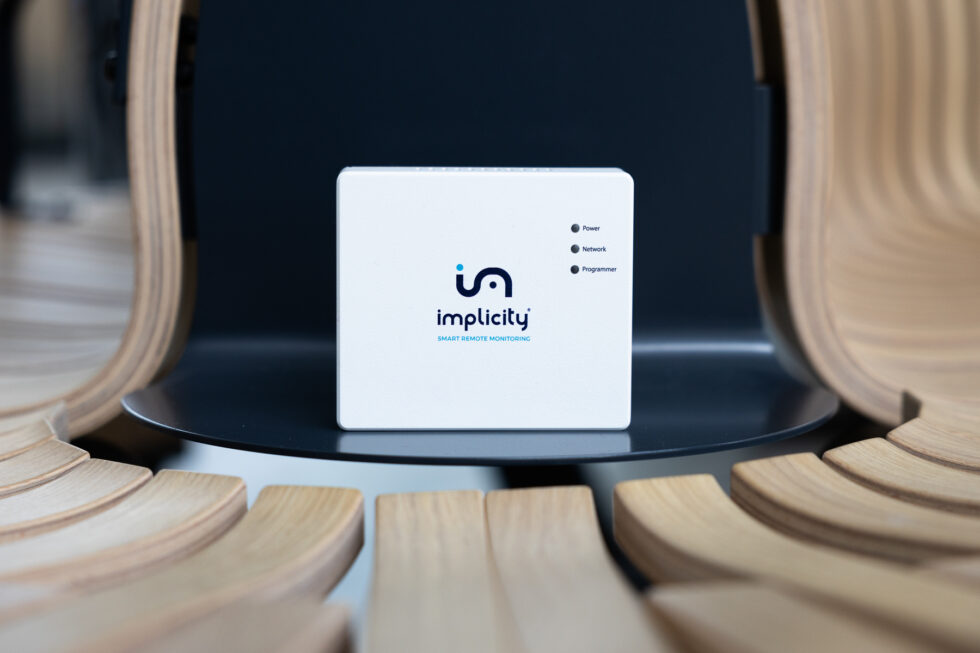
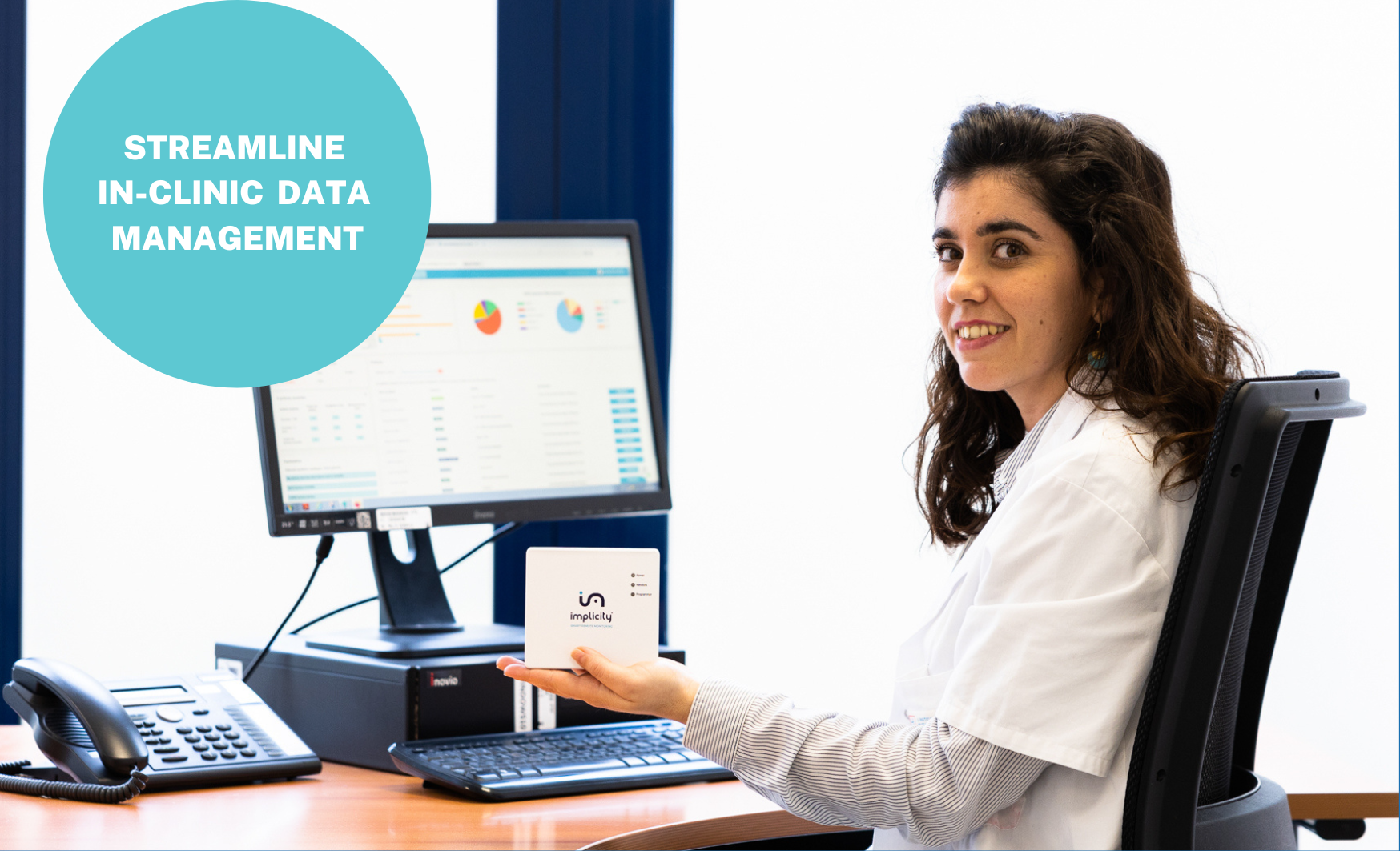
Seamless Data Collection and Transmission Transform your device clinic with automated data collection and seamless integration. Designed to streamline the collection and transmission of in-clinic data, InLink is a smart tool that automatically collects patient device data – including PDF files and raw data from devices of all manufacturers – during in-clinic visits. Without the need for manual input or USB drives, the data is transmitted swiftly and securely to the Implicity SaaS remote monitoring platform. Once processed, the data is assigned to the appropriate patient, with reports easily generated from the raw data with manufacturer PDFs also conveniently accessible at the end of each patient report. The Benefits of InLink By integrating InLink into your data management process, you stand to gain the following benefits: Secure Data Transmission: Ensures the safe transfer of data from the programmer to the Implicity platform, upholding patient confidentiality and data integrity. Effortless Data Collection: Eliminates the manual collection of in-clinic data. InLink makes gathering PDF files and raw data a simple task. Immediate Transmission: Data transmission happens in a snap, eliminating delays in data transfer. Automated Report Generation: Facilitates the effortless creation of in-clinic reports from raw data, saving time and improving accuracy. Easy Access to Manufacturer PDFs: Manufacturers PDFs are readily available for review or reference at the end of each patient report. Adopt InLink and enhance the efficiency and reliability of your in-clinic data management, leaving you more time to focus on what really matters.

Editorial, Press

From Data to Discovery: Remote Monitoring’s Critical Role in Research

From Data to Discovery: Remote Monitoring’s Critical Role in Research Data-driven insights from cardiac implantable electronic devices (CIEDs) can revolutionize research, leading to transformative discoveries in the healthcare field. In the ever-evolving healthcare field, the ability to collect and analyze data is paramount for healthcare providers and researchers. Cardiac implantable electronic devices (CIEDs) are vital in monitoring patients with cardiac conditions. Leveraging remote monitoring (RM) to harness the vast amounts of data generated by these devices offer benefits that are far-reaching. In addition to improving safety for the individual patient, RM is a powerful research tool that can deliver information from an enormous number of patients, providing the scientific community with important data regarding cardiac events safety.1 By collaborating with third-party remote monitoring platforms, researchers and clinicians can explore numerous research fields with greater precision and depth. They can investigate the efficacy of different treatment strategies, identify factors contributing to adverse events, and develop innovative interventions tailored to individual patients. For instance, through advanced data analytics, Implicity’s platform can identify various changes in a patient’s heart status, facilitating early detection of potential complications and timely interventions. Remote monitoring solutions like that offered by Implicity help to address the growing need to harness complex CIED data for clinical research by aggregating it into useful, actionable information for researchers. Raw Data for ResearchAccessing automatically synced raw data from CIEDs eliminates the need for manual data extraction and provides researchers with unprecedented immediacy in data availability. By obtaining raw data from CIEDs, healthcare providers can delve into the intricacies of device performance, patient-specific parameters, and other vital information. This access to data enables quick identification of trends, anomalies, and patterns, ultimately leading to timely interventions and improved patient outcomes. Normalized Patient Data Across ManufacturersOne of the challenges in cardiac research is the heterogeneity of CIEDs produced by different manufacturers. Each manufacturer may use proprietary data formats and structures, making comparing and analyzing data across different devices difficult. Implicity overcomes this hurdle by normalizing patient data across various CIED manufacturers. Harmonizing the data allows researchers to seamlessly compare and combine datasets for comprehensive analysis. This unified approach to data integration promotes collaboration, facilitates larger sample sizes, and enhances the statistical power of research studies. Customized Electronic Case Report Forms (eCRFs)The Implicity research feature provides customized electronic Case Report Forms (eCRFs) to facilitate data collection for research purposes. These eCRFs can be tailored to specific research protocols, ensuring standardized data collection across multiple sites. By streamlining data collection processes, the tool minimizes errors, enhances data quality, and simplifies data analysis. Researchers can easily capture the required variables, monitor study progress, and adjust and optimize data collection efficiency. Patient Consent TrackingRespecting patient privacy and ensuring informed consent is crucial in any research endeavor. Implicity incorporates a patient consent tracking feature that enables healthcare providers to manage and monitor patient consent in real-time. This ensures compliance with ethical and legal requirements, provides transparency to patients, and protects their rights. Researchers can easily track and manage consent status throughout the study, ensuring the privacy and autonomy of study participants. Leveraging data from CIEDs is crucial in advancing cardiac research. Partnering with platforms like Implicity opens new doors for exploring research fields, conducting clinical studies, and ultimately improving patient outcomes. By: Megan Grosz 1Lappegård KT, Moe F. Remote Monitoring of CIEDs-For Both Safety, Economy and Convenience? Int J Environ Res Public Health. 2021 Dec 28;19(1):312. doi: 10.3390/ijerph19010312. PMID: 35010572; PMCID: PMC8751026. Download PDF

Contributed Article, Press

Building an Effective Hybrid Practice

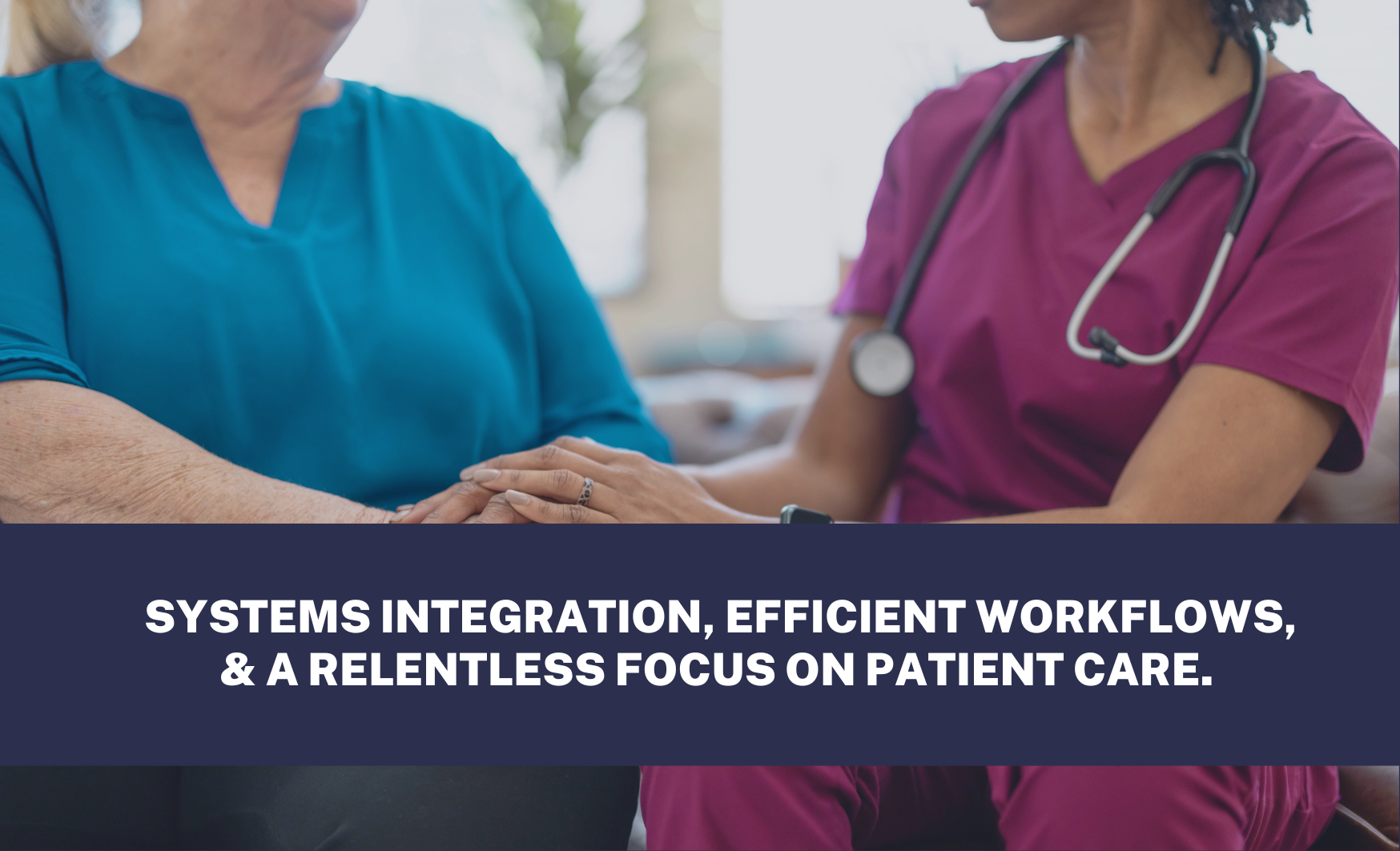
Building an Effective Hybrid Practice Telemedicine is here to stay. But that doesn’t mean that in-person healthcare is going anywhere – soon or ever. It’s becoming clear that a hybrid approach is the way forward for the healthcare sector, with many hospitals and clinics already relying on remote technologies that they scaled up dramatically during the COVID-19 pandemic. As a result of that experience, previously reluctant clinicians and patients have grown accustomed to telemedicine solutions, and reimbursement policies have begun to catch up with the technology. Telemedicine visits and remote patient monitoring (RPM) expand access to care, help alleviate the challenges associated with provider shortages, and in many instances, are more convenient for patients. While alternatively, in-person care is sometimes preferred (and often necessary) for specific patients, tests, and treatments. Much of the technology needed to provide excellent hybrid care is already here, but healthcare organizations are still struggling to effectively stitch solutions together in ways that lead to both manageable workflows and improved outcomes. Highlighted below are three areas that providers and administrators should focus on as they build out their hybrid healthcare offerings. 1. Systems Integration – Presently, some telemedicine and remote monitoring solutions exist essentially as islands: They offer important use cases and information on their own, but because they’re not effectively integrated with other IT systems, they are limited in what they can add to a patient’s overall treatment plan. This is going to have to change – and change quickly. In fact, I would go so far as to say that integration with electronic health record (EHR) systems like Epic has become imperative for remote monitoring tools. The obvious examples include having two-way communications of documents and relevant data from the EHR to additional remote monitoring platforms, but also having billing information generated by specialized algorithms flowing to the proper users. Integrations with EHR systems can offer a whole new level of benefits. One simple, but powerful, example: by marrying clinical data with data from cardiac remote monitoring (CRM) devices to classify and prioritize alerts automatically. Specifically, being able to feed a clinical decision support system with data about medication can help automate triaging alerts and thus considerably decreases how much noise has to be reviewed by hand. Systems integration doesn’t have to happen all at once. A healthcare organization might work its way up through identity verification, automated billing, and integrated reports, all the way to two-way sync and direct access. Read the full article here. By Arnaud Rosier, CEO of Implicity

Editorial, Press

The Ultimate Third-Party Resource for Remote Monitoring

The Ultimate Third-Party Resource for Remote Monitoring Since 2015, remote monitoring has been the standard practice for managing patients with cardiovascular implantable electronic devices, leading to decreased morbidity and mortality. The significant benefits of remote monitoring have been evident over the past eight years, prompting the release of an HRS/EHRA/APHRS/LAHRS consensus statement in May 2023. This statement included updated guidelines on managing patients with cardiovascular implantable electronic devices. The comprehensive guidelines include the recommendation for organizations to consider taking their remote monitoring a step further and integrating third-party resources into their process. Imagine an alert-based, AI-driven third-party solution that meets all the demands of remote monitoring and is associated with reducing mortality by 22% and hospitalization by 4%.1 Implicity’s comprehensive solution is reshaping the landscape of remote monitoring by emerging as the ultimate platform for remote device clinics. It effectively addresses even the most difficult challenges associated with this practice. Administrative Burden and Staff Burnout:Handling administrative tasks alongside patient care can lead to burnout among clinical personnel. Implicity’s powerful remote monitoring (RM) solution automates once manual processes, allowing providers to streamline their workflow and dedicate more time to delivering exceptional patient care. With a proven track record of achieving an impressive 84% increase in clinic productivity within just two years, the unique third-party solution empowers healthcare professionals to enhance efficiency, ultimately improving staff satisfaction and the overall quality of care.2 Managing High-Volume Data:In the era of digital healthcare, the sheer volume of remote monitoring data can be overwhelming and especially challenging when resources are short. Leveraging alert-based solutions like Implicity makes managing and reviewing vast amounts of data easier. This ensures timely communication of results, empowering healthcare providers with valuable insights for optimal decision-making. The Financial Strain on Clinics:Running a remote monitoring program can be financially burdensome for clinics. Third-party solutions can offer a path to financial stability through an innovative approach. In fact, Implicity has been proven to achieve an impressive 90% billing compliance rate, ensuring that clinics can maximize their revenue potential.3 By harnessing the expertise and resources of Implicity’s third-party involvement, clinics can improve staff efficiency and reduce costs associated with administrative tasks. This strategic collaboration with Implicity brings financial advantages and paves the way for sustainable growth and success in remote monitoring programs. Communication Gaps between Providers and Patients:Effective communication lies at the core of exceptional healthcare delivery. Recognizing this, the Implicity platform streamlines data review and facilitates real-time communication of results. By bridging the gap between providers and patients, Implicity enhances care coordination, ensuring seamless communication for improved patient-provider relationships. By embracing the transformative CRM solution offered by Implicity, clinics can alleviate administrative burdens, enhance staff efficiency, streamline data management, achieve financial stability, and dedicate more time to direct patient care. It’s time to unlock the full potential of remote monitoring and revolutionize care like never before. By: Megan Grosz 1Varma N, Marijon E, Abraham A, Ibnouhsein I, Bonnet J-L, Rosier A, Singh Heart Rhythm Journal, LB-456088-2, in press, May 16, 2023 The original abstract results can be found here. Differences in results with HRS presentation are due to methodological improvements.2Implicity data. Staff productivity increased after two years of using the Implicity platform, based on data from 56 medical centers3Jay Ganji, MD, FACC, Cardiologist, Piedmont Cardiovascular, November 2022.

Contributed Article, Press

How RPM Can Reduce AI’s Bias Problem and Improve Health Equity

How RPM Can Reduce AI’s Bias Problem and Improve Health Equity Artificial intelligence (AI) is one of the most promising breakthrough technologies of the modern healthcare era, yet it also has the potential to be one of the most dangerous.  AI algorithms trained on limited or poorly representative data sets can exhibit signs of bias in their results, skewing decision-making and possibly leading to ethnic, gender, and social discrimination and other unintentional consequences for the patients they serve. Unfortunately, research shows that bias is already creeping into the nascent field of AI and machine learning.  In 2019, one study found that a widely used algorithm was underrepresenting the illness burden of black patients compared to white patients, meaning that Black individuals had to be much sicker to get a recommendation for the same level of care as their white counterparts. It was also well documented that in many cases, Watson, IBM medical AI was affected by bias, recommending therapies not accessible to the population using the software. Concerns over bias create distrust in AI and often keep healthcare leaders from fully embracing the technology. It is imperative that we address the rising risks of AI bias before the ecosystem becomes even more established. We must find better ways of connecting with more diverse and representative patients to ensure trust by ensuring algorithms are trained with large and diverse datasets. Remote patient monitoring (RPM) can be one key to achieving this goal. By reaching more patients in different geographies and reducing barriers to patient access, RPM can help build trust in AI and improve health equity by broadening the diversity of datasets used to train AI algorithms. Progress is already being made in remote cardiac monitoring.Unbiased Prediction of Heart Failure The first step to reducing bias in AI tools is to increase the diversity and representation of data. Given the growing use of cardiac remote monitoring, an increasing volume of patient data is being gathered from connected devices. Moreover, in 2019, as part of its national strategy on AI, the French government created the Health Data Hub. The platform combines all nationwide sources of data, including all resource utilization such as hospitalization and follow-up, but also medications and causes of death. Since France is a centralized single-payer system, this data is gathered from across the country. The database was made available to selected organizations, but Implicity was the only cardiac remote monitoring platform to gain access. to Implicity is now using the nationwide database to develop research and algorithms with better performance and less bias. The Health Data Hub provides access to anonymized patient health information from more than 3.7M people. Implicity has combined this data with data collected from remote cardiac monitoring devices, creating a unique dataset that is the foundation for developing an innovative algorithm that can reliably predict acute heart failure episodes in patients with cardiac implant monitoring.  Because of the robust data sets, this algorithm can potentially eliminate or drastically reduce bias and improve health equity. Benefits Beyond the Algorithm Aside from eliminating bias in AI, RPM is also changing how clinical research is performed by broadening patient access to studies. For example, equipping cardiac patients with RPM devices in their homes can reduce the necessity to come into the clinic for routine checks for things like blood pressure, weight, cardiac rhythms, or blood sugar.  This could make participation in research more viable and attractive for more diverse patient groups, including those with limited access to centralized trial sites. Today, research is often conducted in urban areas at large academic medical centers (AMC), which can be hard to reach for rural populations and those facing other transportation barriers. Trials demand regular attendance at frequent appointments, which can be problematic forpeople who cannot afford time off work, the expenses of childcare, or the risks of leaving otherfamily members at home without a caregiver. As a result, only the patients who have adequate time, money, and social support can participate in research or contribute their data to AI tools and similar projects. These patients tend to be less likely to have significant burdens of chronic disease, are more likely to havehigher health literacy rates – and due to the nature of systemic oppression in the United States, are more likely to be white than members of other racial and ethnic groups. We know the same therapy can act differently in people of diverse genetic backgrounds. And we know that socioeconomic burdens can significantly affect a patient’s ability to access and adhere to recommended care. But we are not doing enough to extend the healthcaresystem to places where underserved populations live, work, and play. By digitizing home health-related data from the source, RPM contributes to less selection bias in research.Creating a  More Equitable Future RPM also offers the advantage of continuous data collection in many cases, giving researchers a much richer and more accurate picture of a person’s health unaffected by  “white coat syndrome,” which can alter certain readings.  Real-world data that is collected as part of everyday life is extremely valuable for identifying the efficacy and safety of new therapies and devices. Developing a strong feedback loop between RPM and AI to support continuous improvement is especially important since many RPM devices rely on AI algorithms to perform their basic functions to begin with.  Ensuring that developers are learning from the experiences of actual patients using their devices outside of tightly controlled research settings can help to identify hidden biases and course-correct them before any issues arise. As AI becomes more sophisticated, we must invest in patient recruitment strategies and data governance guardrails that prioritize equity and take advantage of RPM and other technologies to reduce barriers to accessing representative data. Studies and algorithm development projects should include perspectives from diverse points of view in the design phase, including clinicians and patient participants with varying backgrounds.  Institutions sponsoring research projects, or companies developing algorithms, should establish minimums for diversity and inclusion in their training data sets to ensure

Press, Press Release

Implicity Study Presented in Late-Breaking Clinical Trial Session at Heart Rhythm 2023

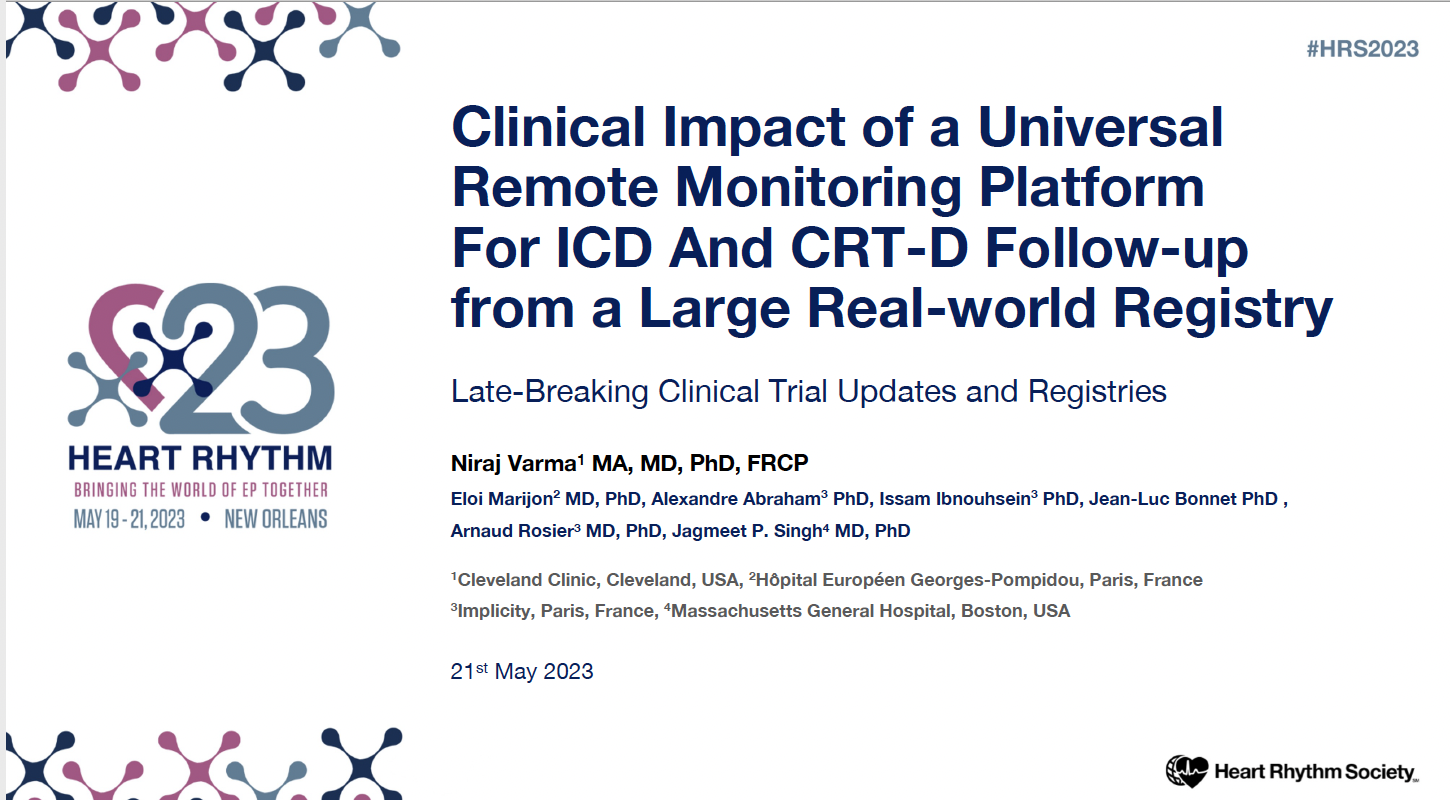
Implicity Study Presented in Late-Breaking Clinical Trial Session at Heart Rhythm 2023 Cambridge, Mass., May 22, 2023 – Implicity, a leader in remote patient monitoring and cardiac data management solutions, announced the findings of a study presented during a late-breaking clinical trial session at the Heart Rhythm Society’s (HRS) annual meeting. The research was conducted in collaboration with the French government’s Health Data Hub, using a nationwide database of health information from more than 68,000 patients. Implicity linked real-world data from patients with cardiac implantable electronic devices (CIEDs) to various remote monitoring (RM) methods, comparing differences in mortality rates, number of annual hospitalizations per patient, and cumulative duration of hospital stays in a year. The results showed significant disparities in mortality rates based on the method of RM utilized. While all patients with RM experienced improved survival rates, Implicity’s universal, alert-based remote monitoring platform was associated with a greater performance compared to historical manufacturers’ solutions (Abbott, Boston Scientific, Medtronic). Notably, patients monitored with Implicity’s platform experienced a remarkable 22% relative improvement in all-cause mortality when compared with conventional RM methods, even after adjusting for confounding factors such as age, gender, CIED type, year of implant and center size. Additionally, the study revealed a significant reduction in both the number of annual hospitalizations per patient (-4%) and cumulative duration of hospital stay within a year (-6%), further validating that alert-based systems like Implicity’s can lead to superior patient outcomes in cardiac care. “We already know that remote patient monitoring saves lives. What data from this study shows is that clinical improvements vary a lot depending on how remote monitoring is performed. We saw significant improvement in mortality rates but also a decrease in hospitalizations when clinicians were supported by the Implicity platform rather than device manufacturer systems alone. This shows that the most committed teams with the best tools have the potential to achieve a better outcome for these patients. What’s remarkable is that these results occurred even before we launched our unique AI algorithms, so we can hope for even better results down the road.” said Implicity CEO and co-founder, Arnaud Rosier, MD, PhD. For more information, visit: www.implicity.com About Implicity Implicity is a digital MedTech software company dedicated to providing the best remote care to patients with connected cardiac implantable electronic devices. Co-founded by cardiac electrophysiologist Arnaud Rosier, MD, PhD, our platform aggregates, normalizes, and standardizes data from any implantable cardiac device across all manufacturers, improving care for patients with cardiac implants and heart failure. Implicity’s platform provides critical health information augmented by FDA-cleared AI algorithms, enabling healthcare providers to make more informed decisions for better patient outcomes. With access to the Health Data Hub*, one of the world’s largest databases of heart disease patients, Implicity is able to develop its AI solutions based on more robust data. The company is protecting more than 80,000 patients in over 150 medical facilities across the US and Europe. To learn more, visit www.implicity.com * Health Data Hub is a health data platform established by the French government to combine existing health patient databases and facilitate their usage for research and development purposes. Original abstract results can be found here. Differences in results are due to methodological adjustments.

Inlink - pictures
Press, Press Release

Implicity Simplifies In-Clinic Cardiac RPM Workflows with New InLink Solution

Implicity Simplifies In-Clinic Cardiac RPM Workflows with New InLink Solution In-clinic tool automatically and securely links manufacturer programmers with Implicity’s data management solution for faster, more efficient remote monitoring workflows Cambridge, Mass., April 18, 2023 – Implicity, a leader in remote patient monitoring and cardiac data management solutions, introduced the immediate availability of InLink, a new in-clinic tool that streamlines remote cardiac monitoring workflows. Rather than having to use a USB thumb drive, InLink enables fast, secure wireless connections between the manufacturer programming systems for various cardiac implantable electronic devices (CIEDs) and the Implicity platform – making data exchanges faster, safer and more efficient. “InLink provides direct access to data and diagnostics collected by manufacturer programming systems during in-clinic device checks, eliminating the need for cumbersome manual data transfers and reducing security risks posed by USBs, such as ransomware. The transmissions now happen automatically, saving clinicians valuable time they can dedicate back to patient care,” said Ad́élie Cerrato, Product Manager at Implicity. Cardiology practices must provide routine in-clinic checks for patients with CIEDs (e.g., pacemakers, ILRs, defibrillators). During visits, remote patient monitoring (RPM) devices are interrogated by manufacturer programming systems (Medtronic, Boston Scientific, Abbott, Biotronik, Microport) to retrieve discrete data and diagnostic reports, test the device, and make necessary setting adjustments. All of that information then needs to be transferred into Implicity’s cardiac remote monitoring software or electronic medical record (EMR) systems. Previously, the reports had to be printed or downloaded onto a portable USB thumb drive. InLink modernizes this tedious process by allowing the systems to communicate and transfer data automatically. What’s more, InLink makes it easy to create in-clinic reports and access manufacturer PDFs at the end of each patient visit. “When you consider some cardiac clinics seeing over 50 patients daily, the benefits of InLink are substantial. The tool will easily save clinicians hours each week and liberate them from manual, repetitive tasks,” added Dr. Arnaud Rosier, CEO, and founder of Implicity. “This is yet another example of Implicity delivering innovative, practical solutions that help unify RPM workflows, improve the lives of clinicians and enable better, more effective cardiac care.” About ImplicityImplicity is a MedTech software company dedicated to providing the best remote care to patients with connected cardiac implantable electronic devices. Co-founded by cardiac electrophysiologist Arnaud Rosier, MD, our platform aggregates, normalizes, and standardizes data from any implantable cardiac device across all manufacturers, improving care for those with chronic heart failure conditions. As the first and only cardiac implant remote monitoring company to receive FDA clearance for an AI-based algorithm, Implicity’s platform provides critical health information, enabling healthcare providers to make more informed decisions for better patient outcomes. With access to the Health Data Hub*, one of the world’s largest databases of heart disease patients, Implicity is able to develop its AI solutions based on more robust data. The company is protecting more than 80,000 patients in over 150 medical facilities across the US and Europe. To learn more, visit wwww.implicity.com Implicity®, Inc., is a Delaware corporation with offices located at 185 Alewife Brook Pkwy 210, Cambridge, MA 02138 USA, file number 5917973. * Health Data Hub is a health data platform established by the French government to combine existing health patient databases and facilitate their usage for research and development purposes.

Press, Press Release

Implicity Introduces New Algorithm to Address Alert Fatigue in AF Care

Implicity Introduces New Algorithm to Address Alert Fatigue in AF Care New feature tackles atrial fibrillation burden, reducing the alerts for patients being treated with anticoagulant medication and highlighting clinically significant events. Cambridge, Mass., April 12, 2023 – Implicity, a leader in remote patient monitoring and cardiac data management solutions, introduced a new algorithm designed to reduce alert fatigue in the remote monitoring of patients with atrial fibrillation (AF). Implicity’s AF Alert Management feature addresses AF burden, reducing alerts for patients who are taking anticoagulants and have a low risk of complications while triggering notifications the relevant moment there is a significant change in a patient’s condition that requires intervention or adjustments to treatment. “The AF Alert Management tool optimizes AFib burden management, allowing providers to focus on clinically significant events,” said Adélie Cerrato, Product Manager at Implicity. “AFib burden can vary greatly between individuals on anticoagulants or those who are not. Our new algorithm can differentiate between the two, quieting alerts associated with patients on medication and notifying providers with smart alerts when the burden exceeds the threshold for action. This, in turn, can lead to better patient outcomes as they receive appropriate care when needed.” Continuous remote monitoring is critical for properly managing patients with AF. It allows providers to track patients’ heart rhythms for early intervention and treatment, reducing complications such as stroke and heart failure. The AF burden rate, or percentage of time spent in an irregular heartbeat state, is measured using various devices, such as Holter monitors, pacemakers, defibrillators, and implantable loop recorders (ILRs). Implicity’s algorithm works with any device that collects atrial burden trends data and can classify the following scenarios in line with ESC recommendations: Consider proposing therapies to the patient, such as ablation: Paroxysmal AF Increasing paroxysmal AF Persistent AF Evaluates the success of therapies: Back to sinus rhythm Back to paroxysmal AF On average, cardiologists receive about 1,000 manufacturer’s alerts on atrial burden/month per every 1,000 patients. Reviewing these alerts manually can prove to be time-consuming and inefficient. Implicity’s AF Alert Management alleviates this pain point and has the potential to save hours of time each month, freeing up clinicians so they can focus on patient care. About ImplicityImplicity is a MedTech software company dedicated to providing the best remote care to patients with connected cardiac implantable electronic devices. Co-founded by cardiac electrophysiologist Arnaud Rosier, MD, our platform aggregates, normalizes, and standardizes data from any implantable cardiac device across all manufacturers, improving care for those with chronic heart failure conditions. As the first and only cardiac implant remote monitoring company to receive FDA clearance for an AI-based algorithm, Implicity’s platform provides critical health information, enabling healthcare providers to make more informed decisions for better patient outcomes. With access to the Health Data Hub*, one of the world’s largest databases of heart disease patients, Implicity is able to develop its AI solutions based on more robust data. The company is protecting more than 80,000 patients in over 150 medical facilities across the US and Europe. To learn more, visit www.implicity.com * Health Data Hub is a health data platform established by the French government to combine existing health patient databases and facilitate their usage for research and development purposes.

Press, Press Release

Implicity Releases SMART on FHIR App

Implicity Releases SMART on FHIR App New feature tackles atrial fibrillation burden, reducing the alerts for patients being treated with anticoagulant medication and highlighting clinically significant events. Cambridge, Mass., April 12, 2023 – Implicity, a leader in remote patient monitoring and cardiac data management solutions, introduced a new algorithm designed to reduce alert fatigue in the remote monitoring of patients with atrial fibrillation (AF). Implicity’s AF Alert Management feature addresses AF burden, reducing alerts for patients who are taking anticoagulants and have a low risk of complications while triggering notifications the relevant moment there is a significant change in a patient’s condition that requires intervention or adjustments to treatment. “The AF Alert Management tool optimizes AFib burden management, allowing providers to focus on clinically significant events,” said Adélie Cerrato, Product Manager at Implicity. “AFib burden can vary greatly between individuals on anticoagulants or those who are not. Our new algorithm can differentiate between the two, quieting alerts associated with patients on medication and notifying providers with smart alerts when the burden exceeds the threshold for action. This, in turn, can lead to better patient outcomes as they receive appropriate care when needed.” Continuous remote monitoring is critical for properly managing patients with AF. It allows providers to track patients’ heart rhythms for early intervention and treatment, reducing complications such as stroke and heart failure. The AF burden rate, or percentage of time spent in an irregular heartbeat state, is measured using various devices, such as Holter monitors, pacemakers, defibrillators, and implantable loop recorders (ILRs). Implicity’s algorithm works with any device that collects atrial burden trends data and can classify the following scenarios in line with ESC recommendations: Consider proposing therapies to the patient, such as ablation: Paroxysmal AF Increasing paroxysmal AF Persistent AF Evaluates the success of therapies: Back to sinus rhythm Back to paroxysmal AF On average, cardiologists receive about 1,000 manufacturer’s alerts on atrial burden/month per every 1,000 patients. Reviewing these alerts manually can prove to be time-consuming and inefficient. Implicity’s AF Alert Management alleviates this pain point and has the potential to save hours of time each month, freeing up clinicians so they can focus on patient care. About ImplicityImplicity is a MedTech software company dedicated to providing the best remote care to patients with connected cardiac implantable electronic devices. Co-founded by cardiac electrophysiologist Arnaud Rosier, MD, our platform aggregates, normalizes, and standardizes data from any implantable cardiac device across all manufacturers, improving care for those with chronic heart failure conditions. As the first and only cardiac implant remote monitoring company to receive FDA clearance for an AI-based algorithm, Implicity’s platform provides critical health information, enabling healthcare providers to make more informed decisions for better patient outcomes. With access to the Health Data Hub*, one of the world’s largest databases of heart disease patients, Implicity is able to develop its AI solutions based on more robust data. The company is protecting more than 80,000 patients in over 150 medical facilities across the US and Europe. To learn more, visit www.implicity.com * Health Data Hub is a health data platform established by the French government to combine existing health patient databases and facilitate their usage for research and development purposes.
Press

Implicity US Receives Thumbs Up from Users in 2022

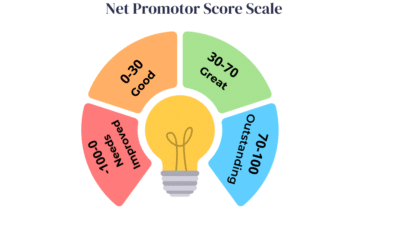
Implicity US Receives Thumbs Up from Users in 2022 Improving population health by harnessing the power of digital data fuels the innovative spirit at Implicity. Our effort is supported by the – feedback from the health providers we serve.One way we receive feedback and assess user satisfaction is through a net promotor survey by which customers rate their user experience. The result of these surveys is a net promotor score or NPS. Scores are based on a set of questions that seek to find the likelihood that respondents will recommend a product, service, or company to someone else. Implicity US is proud to share that – the company earned an overall net promoter score of 63 in 2022. The universal NPS scale ranges from -100 to 100+, placing Implicity at the top end of the scale. ¹ User satisfaction should not be viewed as the destination but as a daily goal that must be met with greatness to deliver the best in patient care. At Implicity, we embrace that goal every day. ¹ https://customer.guru/net-promoter-score