Press, Press Release

Implicity Joins the AWS ISV Accelerate Program

Implicity Joins the AWS ISV Accelerate Program Cambridge, Mass., December 12, 2023 – Implicity, a leader in remote patient monitoring and cardiac data management solutions, announced it has joined the Amazon Web Services (AWS) Independent Software Vendor (ISV) Accelerate Program, a co-sell program for AWS partners that provide software solutions that run on or integrate with AWS. The program helps AWS partners drive new business by directly connecting participating ISCs with the AWS Sales organization. “This is an important milestone that amplifies our reach and validates our mission to bring digital innovation to cardiology. By deepening our relationship with AWS, we can help even more clinicians improve cardiac care by delivering cutting-edge solutions that enable more efficient and effective remote monitoring,” said Jon Hunt, PhD., Implicity’s Chief Commercial Officer in North America. Implicity’s AI-powered* platform allows healthcare professionals to better manage the growing streams of patient information produced by cardiac implantable electronic devices (CIEDs), such as pacemakers and implanted defibrillators. The solutions can also interpret data and automatically alert care teams when intervention is required. The AWS ISV Accelerate Program provides Implicity with co-sell support that benefits to meet customer needs through collaboration with AWS field sellers globally. Co-selling provides better customer outcomes and assures mutual commitment from AWS and its partners. « Before Implicity, our team would have spent hours weeding through alerts and reports. This would have delayed the treatment of patients with clinically significant events or critical episodes. Additionally, their customer support and service have been second to none. They are truly dedicated to helping clinicians streamline their care and optimize their workflow. This system is life-changing, » said Dan Morris, Device Clinic Lead at the Heart Center of Nevada. AWS ISV Accelerate program members are held to the industry’s highest standards. To gain acceptance into the AWS ISV Accelerate Program, proof of customer excellence was required to validate the success users have experienced using the technology. Implicity also had to pass a rigorous technical and security review of its platform to ensure the quality and design of its solutions. The program gives Implicity-focused co-selling support and access to expanded sales enablement resources from AWS. It also provides technical enablement and business resources to enhance Implicity’s offerings and drive innovation. About Implicity Implicity is a digital MedTech software company dedicated to providing the best remote care to patients with cardiac implantable electronic devices and heart failure. Co-founded by cardiac electrophysiologist Arnaud Rosier, MD, PhD, the platform aggregates, normalizes, and standardizes data from any implantable cardiac device across all manufacturers, improving care for patients with cardiac implants and heart failure. Implicity’s platform provides critical health information augmented by FDA-cleared AI* algorithms, enabling healthcare providers to make more informed decisions for better patient outcomes. With access to the Health Data Hub**, one of the world’s largest databases of heart disease patients, Implicity is able to develop its AI solutions based on more robust data. The company is protecting more than 94,000 patients in over 195 medical facilities across the US and Europe. *FDA cleared Class II medical device, and CE marked Class I (under MDD) medical device; see the instructions for use for more information.**Health Data Hub is a health data platform established by the French government to combine existing health patient databases and facilitate their usage for research and development purposes.

Contributed Article, Press

Expert Consensus on Remote Monitoring: Key Staffing Takeaways

Expert Consensus on Remote Monitoring: Key Staffing Takeaways Recent recommendations for remote monitoring of implantable devices may require healthcare organizations to rethink how they staff their operations This past spring, electrophysiology experts issued new recommendations for remote monitoring of cardiovascular implantable electronic devices (CIEDs). The expert consensus statement — released jointly by four major cardiac electrophysiology societies — covers everything from patient enrollment to connectivity. More than anything, though, I was struck by the recommendations around staffing. The first “take-home message” listed in the report is that remote monitoring is the standard of care for patients with implantable cardiac devices. However, this has been the case since at least 2015, and I would estimate that only around half of patients with CIEDs are enrolled in remote monitoring programs. Even for those who are remotely monitored, service levels are highly inconsistent. I’ve heard stories of patients who have turned off their transmitters, and no one contacted them about the missing signal for weeks, simply because providers were overwhelmed or didn’t have the proper resources to track disconnected devices. This is one example of why these new staffing recommendations are so important. If we provide an aging population with the best care possible, healthcare organizations must first learn how to train and manage the employees needed to monitor remote devices effectively; or educate them on third-party resources available to help fill the gaps. The key staffing takeaways from the report include the following. Three Employees to Monitor 1,000 Patients “For the care of patients with CIEDs on [remote monitoring],” the report states, “it is reasonable for clinics to have a minimum of 3.0 full-time equivalents per 1,000 patients on [remote monitoring], comprising both clinical and administrative staff.” Now, this may not sound like an overly burdensome staffing ratio, but many healthcare organizations struggle to attract and retain staff. To meet the needs of the future — most providers will need to step up their staffing, become dramatically more efficient, or both. With a third-party tool, clinics can expand capacity without adding to their headcount. For organizations that use Implicitly, it is relatively common for a clinic to maintain only three full-time employees to manage remote monitoring for up to 5,000 or more patients. The Importance of Certification and Training Providers who oversee — or who review, manage, document or bill for remote monitoring of implantable cardiac devices — should be able to demonstrate their expertise in CIED management by holding appropriate education and certifications, the recommendations state. Further, the expert consensus holds that these education and certification efforts should be supported (i.e., funded) by employers and that all staffers involved with remote monitoring should engage in quality improvement reviews to support current evidence-based standards. Translation: It’s not enough to merely hire an appropriate number of employees. Providers must continue to train their staff on an ongoing basis. A Transition to Alert-based Monitoring For patients who lack continuous connectivity, it is recommended that they make remote transmissions every 3 to 12 months, depending on device type. However, the recommendations note that continuous connectivity allows providers to monitor patient data based on specific alerts rather than at time-based intervals. Alert-based monitoring became more common during the COVID-19 pandemic out of necessity, and it showed promising results, with the potential to make remote monitoring staffers more efficient. According to the report, alert-based monitoring “could minimize low-value effort, optimize clinic visits for actionable events, and decrease health care costs.” Read the full article here.
Press, Press Release

New Study Shows Algorithm Highly Effective at Identifying Patterns and Classifying AF Episodes.

New Study Shows Algorithm Highly Effective at Identifying Patterns and Classifying AF Episodes. Cambridge, Mass., October 24, 2023 – Implicity, a leader in remote patient monitoring (RPM) and cardiac data management solutions, today announced the results of a clinical study published in the Cardiovascular Digital Health Journal. The findings show Implicity’s proprietary algorithm significantly reduced the number of alerts related to transmissions by cardiac implantable electronic devices (CIEDs) in patients being remotely monitored for atrial fibrillation (AF) by filtering standard device notifications and automatically classifying episodes that meet the threshold for clinical relevance. “For a patient with AF who is already anticoagulated, a single AF episode isn’t as important as established patterns or occurrences associated with arrhythmia progression and patient outcomes. This study proved Implicity’s algorithm can reduce AF alert fatigue by effectively detecting trends, both positive and negative, and categorizing events that require intervention or adjustments in treatment,” said Jagmeet P. Singh MD MMSc DPhil The retrospective study analyzed real-life data from more than 4,000 recipients of Abbott, Biotronik, Boston Scientific, or Medtronic CIED who were being continuously monitored for AF. Implicity compared the incidence of standard CIED-transmitted alerts from device manufacturers with the incidence of events detected after filtering by Implicity’s algorithm. Results showed the algorithm broke down 67,883 AF burden-related alerts into 9,728 (14.3%) clinically relevant AF events, according to the European Society of Cardiology classification. Notably, the median number of alerts per patient year decreased by 57.9%. “Sending physicians only clinically relevant alerts, based on the detection of distinct presentations of AF, can reduce the time electrophysiologists spend reviewing notifications that don’t require action by several hours. This will increase the efficiency and quality of care of patients with AF, save time for the medical staff, and help promote the adoption of RPM – leading to more meaningful remote monitoring and ultimately better outcomes,” said Dr. Arnaud Rosier, electrophysiologist, CEO, and co-founder of Implicity. Continuous remote monitoring is critical for properly managing patients with AF. It allows providers to track patients’ heart rhythms for early intervention and treatment, reducing complications such as stroke and heart failure. Yet a previous study published in European Heart Journal showed that atrial arrhythmia episodes account to up to 51% of the events clinicians are expected to review, suggesting that tackling these alerts could significantly reduce the alert burden. Implicity’s algorithm works with any device that collects atrial burden trends data and can classify the following scenarios in line with ESC recommendations: Paroxysmal AF Persistent AF Increasing paroxysmal AF Back to sinus rhythm Back to paroxysmal AF About Implicity Implicity is a digital MedTech software company dedicated to providing the best remote care to patients with cardiac implantable electronic devices and heart failure. Co-founded by cardiac electrophysiologist Arnaud Rosier, MD, PhD, the platform aggregates, normalizes, and standardizes data from any implantable cardiac device across all manufacturers, improving care for patients with cardiac implants and heart failure. Implicity’s platform provides critical health information augmented by FDA-cleared AI algorithms, enabling healthcare providers to make more informed decisions for better patient outcomes. With access to the Health Data Hub**, one of the world’s largest databases of heart disease patients, Implicity is able to develop its AI solutions based on more robust data. The company is protecting more than 94,000 patients in over 195 medical facilities across the US and Europe. To learn more, visit www.implicity.com*CE marked class I medical device (MDD); see the instructions for use for more information.** Health Data Hub is a health data platform established by the French government to combine existing health patient databases and facilitate their usage for research and development purposes.  

Contributed Article, Press

5 Reasons why AI is Different in Healthcare

5 Reasons why AI is Different in Healthcare Healthcare is one of many sectors poised for AI transformation, but it poses unique challenges, opportunities, and considerations. For those of us who have been working closely with artificial intelligence (AI) for many years, it’s a little shocking to suddenly hear “AI” on the tips of everyone’s tongues. Although it may be difficult for the technology to match the current hype, there are many valuable use cases across industries, and that number is sure to grow quickly as the technology improves and organizations begin to experiment with different solutions. Healthcare is no exception, but while AI undoubtedly will help clinicians become more efficient and improve patient outcomes, the sector differs from other fields in these important ways: ‘Good Enough’ is not good enough: In some fields, AI tools are going to perform slightly worse than humans, at least at first, and this is going to be okay. People are already using AI to draft response emails, for instance, and it’s not the end of the world if these tools fail to capture your tone and voice with perfect accuracy when confirming a video meeting. Basically, if an AI tool’s performance is only 90% as good as a human’s, but it makes a process significantly faster or simpler, that tradeoff will work for many people, workflows, and industries. But this tradeoff won’t work in health care. Patients’ lives are on the line when clinicians change the way they deliver care, and providers simply won’t use AI tools that force them to compromise on quality—no matter how efficient those tools may be. The ‘Quintuple Aim’: Although some companies truly are committed to social equity, corporations have a fiduciary responsibility to maximize returns for their shareholders. This bottom-line focus stands in contrast to health care, where the idea of a “Triple Aim” – incorporating the patient experience, population health, and costs – has been widely accepted for many years. More recently, this has expanded to a “Quintuple Aim,” incorporating staff experience and health equity. The emphasis on equity, in particular, sets the goals of healthcare organizations apart from many businesses in other sectors. While corporations will often shutter stores in areas that have become unprofitable, health care has an ethical obligation to try to bring high-quality care to all populations, including in underserved locations. The AI tools adopted by the sector will reflect this emphasis. Read the full article here.

Press, Press Release

Implicity Expands Senior Leadership Team with New U.S. Chief Commercial Officer

Implicity Expands Senior Leadership Team with New U.S. Chief Commercial Officer Cambridge, Mass., September 27, 2023 – Implicity®, a leader in remote patient monitoring and cardiac data management solutions, announced that Jon Hunt, PhD., has joined the company as its new Chief Commercial Officer (CCO) in North America. In this role, Hunt will focus on business and sales strategies for the U.S. market to maximize growth, scale operations, and support technological innovations that help meet the growing demand for remote cardiac monitoring. Hunt brings nearly four decades of experience in the cardiovascular medical device industry. Most recently, Hunt served as Executive Vice President and Chief Business Officer at HeartBeam (NASDAQ: BEAT), a cardiac technology company that developed the first 3D vector ECG platform for heart attack detection. As a vital member of the senior leadership team, he played a critical role in taking the company public. Prior to HeartBeam, Hunt held multiple leadership positions at organizations such as the Medical Device Innovation Consortium (MDIC), Cryterion Medical, and Cameron Health. In addition, he served as President and CEO of Bardy Diagnostics,  whose novel ECG monitoring system achieved US and European approval under his leadership.  Hunt began his career with Cardiac Pacemakers (now Boston Scientific Corporation) as the Director of Clinical Programs. “Having an executive of Jon’s caliber and experience is key to achieving our goal of becoming the leader in remote cardiac monitoring in the US market.  Jon brings extensive experience in the CRM/EP market and a proven track record of scaling startup companies and building commercial teams. We look forward to his guidance and expertise as we continue to build on our successes and provide healthcare professionals nationwide with more effective solutions for managing heart disease,” said Dr. Arnaud Rosier, electrophysiologist, CEO, and founder of Implicity. Hunt joins Implicity as the company hits several critical business inflection points. Implicity recently submitted for US FDA clearance for a machine learning algorithm that can predict acute heart failure, the world’s leading cause of hospitalization. In May, Implicity revealed ground-breaking research demonstrating its AI-powered solutions significantly improve outcomes for patients with cardiac implantable devices. This as the U.S. market for remote patient monitoring has experienced significant growth. According to recent reports, the industry is expected to reach a value of more than $25 billion by 2028. “I could not be more excited to join the Implicity team at this important juncture,” said Hunt. “I’ve witnessed firsthand the healthcare ecosystem’s need for innovative solutions that can enable providers to monitor remote cardiac devices more effectively and analyze massive volumes of cardiac data more efficiently. The company and its AI-powered technology are poised to revolutionize cardiology care delivery and improve the lives of millions of people around the globe.” About Implicity Implicity is a digital MedTech software company that provides the best remote care to patients with cardiac implantable electronic devices and heart failure. Co-founded by Cardiac Electrophysiologist Arnaud Rosier, MD, Ph.D., the platform aggregates, normalizes, and standardizes data from any implantable cardiac device across all manufacturers, improving care for patients with cardiac implants. Implicity’s platform provides critical health information augmented by FDA-cleared AI algorithms, enabling healthcare providers to make more informed decisions for better patient outcomes. With access to the Health Data Hub*, one of the world’s largest databases of heart disease patients, Implicity is able to develop its AI solutions based on more robust data. The company is protecting more than 94,000 patients in over 195 medical facilities across the US and Europe. To learn more, visit www.implicity.com * Health Data Hub is a health data platform established by the French government to combine existing health patient databases and facilitate their usage for research and development purposes.

Press, Press Release

Implicity CEO Selected to Participate in HRX 2023 Panel Discussion on AI

Implicity CEO Selected to Participate in HRX 2023 Panel Discussion on AI Cambridge, Mass., September 18, 2023 – Implicity, a leader in remote patient monitoring (RPM) and cardiac data management solutions, announced today that founder and CEO Arnaud Rosier, MD, PhD, has been selected to participate in a panel discussion at the upcoming HRX 2023 Digital Health Event in Seattle, WA. The discussion, AI-aided Remote Interventions – Will this Transform Healthcare Delivery & Outcomes, takes place September 22, 2023, at 2:30 pm (PDT). As part of the discussion, Dr. Rosier intends to share insights on new international recommendations for remote monitoring of cardiovascular implantable devices (CIED) released at Heart Rhythm 2023 (HRS). The expert consensus validated the benefits of using third-party service and solution providers, such as Implicity, to ensure the highest standard of remote monitoring and improve patient outcomes. “We recently published groundbreaking data that demonstrated our AI-powered cardiac remote monitoring technology saves lives and significantly improves health outcomes,” said Dr. Rosier, Electrophysiologist, CEO, and co-founder of Implicity. “I’m eager to join experts on this panel to explore key takeaways from the research and discuss how intelligent technologies can impact our healthcare system for the better now and into the future.” Research unveiled at Heart Rhythm 2023 and led by Dr. Niraj Varma, a Professor of Medicine and consultant Electrophysiologist at the Cleveland Clinic, found patients monitored with Implicity’s alert-based platform experienced a remarkable 22% relative improvement in all-cause mortality compared to conventional RM methods. In addition to taking part in the panel presentation, Implicity also plans to exhibit at the HRX 2023 event (Booth #704) to showcase its latest innovations and technology advancements. The remote monitoring platform incorporates AI and machine learning to enable fast and effective analysis and reporting of patient results collected by CIEDs. About Implicity Implicity is a digital MedTech software company that provides the best remote care to patients with cardiac implantable electronic devices and heart failure. Co-founded by cardiac electrophysiologist Arnaud Rosier, MD, Ph.D., the platform aggregates, normalizes, and standardizes data from any implantable cardiac device across all manufacturers, improving care for patients with cardiac implants. Implicity’s platform provides critical health information augmented by FDA-cleared AI algorithms, enabling healthcare providers to make more informed decisions for better patient outcomes. With access to the Health Data Hub*, one of the world’s largest databases of heart disease patients, Implicity is able to develop its AI solutions based on more robust data. The company is protecting more than 94,000 patients in over 195 medical facilities across the US and Europe. To learn more, visit www.implicity.com * Health Data Hub is a health data platform established by the French government to combine existing health patient databases and facilitate their usage for research and development purposes. For more information or to schedule a meeting, visit Implicity

Editorial, Press

Leveraging Emerging Science to Improve Patient Outcomes and Streamline Workflow

Leveraging Emerging Science to Improve Patient Outcomes and Streamline Workflow A new scientific study, led by Dr. Niraj Varma and conducted by a team of leading experts, has cemented the importance of remote cardiac monitoring for Cardiac Implantable Electronic Devices (CIEDs). Published in Europace 2023, the paper « Remote monitoring of cardiac implantable electronic devices and disease management » outlines the remarkable benefits in clinical efficiency and patient safety, offering illuminating insights that underscore the value proposition of Implicity’s remote cardiac monitoring platforms. Dynamic and Tailored Patient Treatment Pathways The study underlines the transformative impact of remote monitoring in facilitating personalized, dynamic treatment pathways. This is particularly beneficial for assessing the success rates of Atrial Fibrillation (AF) therapies, a capability that resonates with Implicity’s mission to improve patient outcomes. Our AF Alert Management Algorithm, a CE-marked tool, works seamlessly with the device data and clinical information to offer tailored AF treatment. Enhancements in AF Detection and Anticoagulation Treatment The study impressively demonstrates that algorithms designed to scan all CIED transmissions for AF, enhanced AF detection sensitivity by 10%. In addition, these algorithms also improved the optimal treatment of oral anticoagulation by 6%. Implicity’s AF Alert Management Algorithm directly addresses these findings, focusing on analyzing device data like atrial burden raw data and clinical information such as anticoagulant medications. Our advanced algorithmic approach filters out irrelevant alerts while activating smart alerts for significant changes in AF treatment, streamlining anticoagulation treatment. Efficient Alert Management and Workflow OptimizationAn especially compelling point in the study is the application of an AI tool to filter AF alerts, resulting in an 84% reduction in notification burden without compromising patient safety. The work-saving benefit aligns closely with the capabilities of Implicity’s AF Alert Management Algorithm, which automates the labor-intensive process of AF monitoring.  Assisting Resource-Strained Hospitals The study suggests that third-party resources offer valuable support for healthcare institutions lacking the required staffing. Remote cardiac monitoring from Implicity extends your healthcare team and enables you to focus on critical cases by automating routine tasks. The landscape of cardiac care is undergoing a profound transformation, as illustrated by the study’s conclusion, even though remote monitoring of CIEDs has been the standard of care since 2015. New guidelines suggest clinically stable patients may only require in-office visits every 24 months or less frequently, introducing vast implications for workflow, reimbursement, and data management. The value of Implicity’s remote cardiac monitoring platforms extends beyond the technology’s robustness to the system’s adaptability and scalability. Drawing from the compelling evidence in this latest study, Implicity’s AF Alert Algorithm is a paragon of innovation optimized for efficiency and patient safety. Written by: Megan Grosz Read the Study References Niraj Varma, Frieder Braunschweig, Haran Burri, Gerhard Hindricks, Dominik Linz, Yoav Michowitz, Renato Pietro Ricci, and Jens Cosedis Nielsen. Remote monitoring of cardiac implantable electronic devices and disease management. Europace (2023) 25, 1–11 https://doi.org/10.1093/europace/euad233

Contributed Article, Press

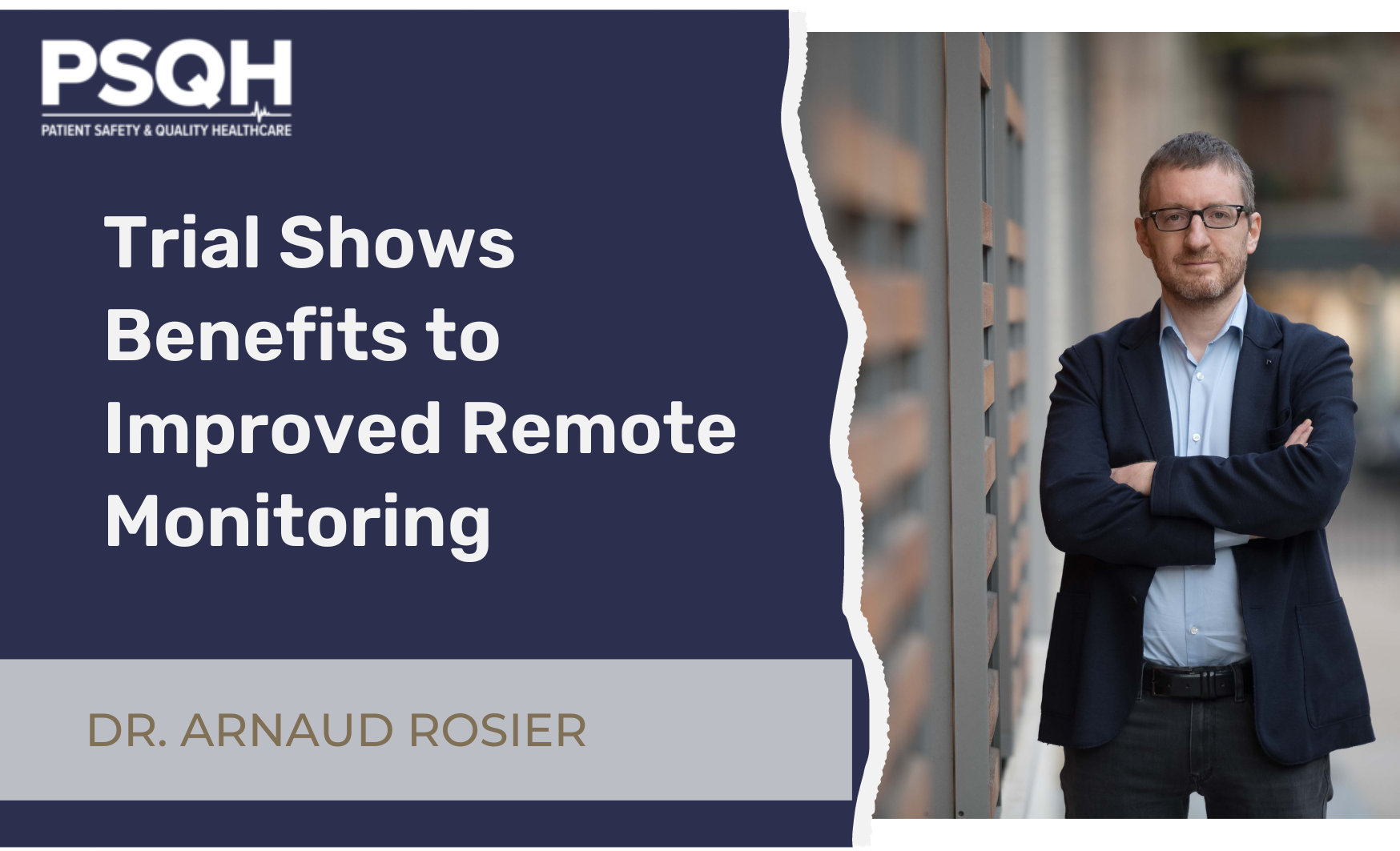
PSQH Interviews Implicity CEO and Electrophysiologist, Arnaud Rosier MD

PSQH Interviews Implicity CEO and Electrophysiologist, Arnaud Rosier MD A new clinical trial on remote monitoring found that while all patients involved saw improved survival rates, the type of remote monitoring had a significant impact. Implicity, a developer of alert-based remote monitoring solutions, in collaboration with the Health Data Hub, looked at a database of over 68,000 patients linking real-world data from patients with cardiac-implantable electronic devices (CIED) to remote monitoring methods and compared mortality rates, annual hospitalizations, and the cumulative duration of hospital stays. The results demonstrated that alert-based monitoring using Implicity’s platform was associated with greater performance compared to historical manufacturer solutions. “We always say remote monitoring is better, but the reality is when it comes to science and evidence, there are not that many examples of proven clinical evidence of better outcomes with remote monitoring,” says Arnaud Rosier, CEO of Implicity. Remote monitoring of cardiac implants (such as connected pacemakers) is a niche area, Rosier says, and thus, there are few studies looking at how remote monitoring for cardiac care impacts mortality, rehospitalization, and cost reduction. “As a physician, I and my colleagues know the value of remote monitoring. If you’re using a pacemaker and not being remotely monitored, your care is probably not being handled well by your physician,” says Rosier. The study was in part intended to bridge the gap in proving the value of this type of monitoring. It wanted to examine not just the monitoring itself, but how the software used for that monitoring played into patient outcomes. One of the reasons to look at remote monitoring for cardiac care now is the opportunity to decrease the burden. “Fifteen years ago, it was a burden—we knew it was beneficial, but it was such a pain to manage all the information coming through. The industry wasn’t organized to triage all the data coming in,” says Rosier. “It’s not what we were trained to do as physicians.” Read the full article here.  

Editorial, Press

Alert-Based Remote Monitoring for CIED Patients

Alert-Based Remote Monitoring for CIED Patients Since the 2015 Heart Rhythm Society’s expert consensus statement on remote interrogation and monitoring for cardiovascular implantable electronic devices, remote monitoring for patients with (CIEDs) has been recognized as the gold standard.1 Connectivity became even more crucial during the Covid 19 pandemic, necessitating social distancing and limited in-person interactions; remote patient care had to shift from an optional, convenient solution to an essential requirement in ensuring continuous and effective healthcare provision.2 Though the pandemic may be behind us, remote monitoring continues to benefit clinics with device patients. Nearly ten years have passed since the release of the consensus in 2015. During this time, further research has reinforced the evidence that supports the benefits of remote monitoring to patients and providers. As a result, an updated statement has been issued recommending the implementation of third-party alert-based remote monitoring as part of the care provided to patients with cardiac implants.3 With only a small percentage (6.6%) of remote monitoring transmissions resulting in clinical action, this guideline was a welcomed addition, as most individual transmissions may not be crucial for immediate patient care and can easily overload providers with non-critical data.4 The biggest offender of non-critical transmissions from CIEDs is those of ILRS. A 2018-2019 study analyzed 26,713 consecutive patients equipped with Cardiac Implantable Electronic Devices (CIEDs); 18.8% had an implantable loop recorder (ILR). Of the 82,797 alerts sent, ILRs were responsible for a substantial 50.1%, demonstrating their significant role in the total alert volume. The staggering volume of transmissions and increasing alerts originating from ILRs underscore the necessity for a novel strategy in managing remote monitoring. This is crucial to decrease the time expended by clinical personnel in handling data that does not necessitate any clinical intervention.5 Due to this growing need, sophisticated remote cardiac monitoring (RCM) solutions have progressed from reporting generalized device transmissions to pertinent, actionable alerts. Alert-based monitoring digitally filters patient information, eliminating the deluge of data that comes with reporting on every transmission, regardless of severity to the patient. This approach to remote monitoring expends fewer clinic resources and provides a greater yield of actionable interventions.6 Continuous connectivity and clinic visits go hand in hand, with the latter done sparingly and when specific, actionable events are detected. This approach enhances the efficiency and responsiveness of patient care, ensuring timely medical intervention when necessary. Emerging as a leader in alert-based remote monitoring, Implicity’s intuitive cloud-based software enables healthcare providers to receive immediate alerts regarding any changes in patient conditions, thereby reducing the latency between the occurrence of a health event and its detection. By integrating directly with the manufacturer’s portals, the AI-powered solution ensures that pertinent data is readily accessible, enabling swift, data-driven decisions. This proactive approach to patient care fosters enhanced clinical outcomes, improves patient safety, and optimizes healthcare delivery by providing critical information as soon as it becomes available. Alert-based RCM not only benefits patients but also greatly improves the efficiency of device clinics. In the past, patients with CIEDs needed to visit clinics for check-ups regularly. This often meant taking time off work, waiting longer for appointments, and risking delayed detection of device-related problems. With alert-based RCM, device clinics can optimize workflow and streamline patient management. The constant remote monitoring of CIEDs ensures that clinics receive relevant data, eliminating unnecessary clinic visits. This enables healthcare providers to focus on patients requiring immediate intervention, enhancing overall clinic efficiency and providing better patient care. Patient connectivity is a key success factor of alert-based RCM, as it is a prerequisite for quick alert transmission. The 2023 Heart Rhythm Society’s expert consensus statement highlighted the importance of device clinics in managing patient connectivity. By identifying disconnected patients and automatically sending them an SMS, platforms like Implicity reduce the connectivity management effort for device teams while improving patient compliance. RCM solutions such as Implicity integrate seamlessly with existing healthcare systems, providing intuitive interfaces for clinicians and reducing the data management burden. By leveraging these resources, device clinics can allocate their resources effectively, providing personalized care to patients needing it while reducing the strain on the healthcare system. The advent of alert-based RCM systems has transformed the landscape of remote cardiac monitoring for patients with CIEDs and those who care for them. Third-party resources have emerged as invaluable tools for enhancing patient care and optimizing device clinic efficiency. By continuously monitoring crucial cardiac parameters and automatically alerting healthcare providers of abnormalities, alert-based remote monitoring can help ensure prompt intervention, reducing the risk of complications and hospital readmissions by up to 4%.7 By: Megan Grosz 1Slotwiner, Varma, et al. 2015 HRS Expert Consensus Statement on remote interrogation and monitoring for cardiovascular implantable electronic devices. Published: May 13, 2015DOI:https://doi.org/10.1016/j.hrthm.2015.05.0082Varma N, Marrouche NF, Aguinaga L, et al. HRS/EHRA/APHRS/LAHRS/ACC/AHA Worldwide Practice Update for Telehealth and Arrhythmia Monitoring During and After a Pandemic. J Am Coll Cardiol. 2020;76(11):1363-1374. doi:10.1016/j.jacc.2020.06.0193Ferrick AM, Raj SR, Deneke T, Kojodjojo P, Lopez-Cabanillas N, Abe H, Boveda S, Chew DS, Choi JI, Dagres N, Dalal AS, Dechert BE, Frazier-Mills CG, Gilbert O, Han JK, Hewit S, Kneeland C, Mirza SD, Mittal S, Ricci RP, Runte M, Sinclair S, Alkmim-Teixeira R, Vandenberk B, Varma N; Document Reviewers; Davenport E, Freedenberg V, Glotzer TV, Huang JL, Ikeda T, Kramer DB, Lin D, Rojel-Martínez U, Stühlinger M, Varosy PD. 2023 HRS/EHRA/APHRS/LAHRS Expert Consensus Statement on Practical Management of the Remote Device Clinic. J Arrhythm. 2023 May 19;39(3):250-302. doi: 10.1002/joa3.12851. PMID: 37324757; PMCID: PMC10264760.4Varma N, Epstein AE, Irimpen A, Schweikert R, Love C; TRUST Investigators. Efficacy and safety of automatic remote monitoring for implantable cardioverter-defibrillator follow-up: the Lumos-T Safely Reduces Routine Office Device Follow-up (TRUST) trial. Circulation. 2010;122(4):325-332. doi:10.1161/CIRCULATIONAHA.110.9374095O’Shea CJ, Middeldorp ME, Hendriks JM, et al. Remote Monitoring Alert Burden: An Analysis of Transmission in >26,000 Patients. JACC Clin Electrophysiol. 2021;7(2):226-234. doi:10.1016/j.jacep.2020.08.0296Varma N, Love CJ, Michalski J, Epstein AE; TRUST Investigators. Alert-Based ICD Follow-Up: A Model of Digitally Driven Remote Patient Monitoring. JACC Clin Electrophysiol. 2021;7(8):976-987. doi:10.1016/j.jacep.2021.01.0087N, Marijon E, Abraham A, Ibnouhsein I, Bonnet J-L, Rosier A, Singh Heart Rhythm

Press

Reality versus Rhetoric in Healthcare AI Marketing

Reality versus Rhetoric in Healthcare AI Marketing Transparency and Compliance in Healthcare AI is Crucial In recent years, the advent of artificial intelligence (AI) and machine learning (ML) in healthcare has changed the landscape in how we diagnose, treat, and manage medical conditions. At Implicity, we’ve been at the forefront of this transformation, continually developing and marketing AI-enabled medical devices that improve patient outcomes and streamline healthcare processes.  However, as the use of AI and ML in healthcare grows, the challenge of marketing these innovations responsibly becomes crucial. A recent systematic review in the field highlighted an interesting finding – not all marketed claims about AI- and ML-enabled devices align perfectly with their FDA clearances.  This revelation underscores the vital importance of upholding integrity and compliance in marketing these advanced technologies. At Implicity, we’re committed to being transparent and maintaining regulatory compliance, firmly standing among those organizations that ensure their marketing claims match their FDA-approved capabilities. This is essential for regulatory adherence and fostering and sustaining trust in our innovative products. In response to the aforementioned research, we want to assure our customers and partners that Implicity is committed to upholding the highest ethical marketing standards. Each claim we make about our AI-enabled medical devices is thoroughly vetted and backed by FDA-approved capabilities outlined in our 510(k) clearances. We are proud to be part of the 80.6% of consistent devices, a testament to our dedication to regulatory compliance. At Implicity, we understand that the intersection of AI and healthcare is not just about technology. It’s about trust, honesty, and responsibility. Our commitment to these values means that when you choose Implicity, you choose a partner that provides cutting-edge technology and guarantees transparency, regulatory compliance, and the highest ethical standards. This is our promise to you.